Video
Sunday, 22 February 2015

Friday, 20 February 2015
Wednesday, 18 February 2015
Evaluation post- Question 2
Question 2

In our thriller sequence we have 3 main characters. We have the two young girls and the Male antagonist. We wanted to use two innocent and young girls In our thriller sequence because it is very stereotypical of the thriller genre. If you look at the main blockbuster thriller films you will notice that nearly all the protagonists are Female. This is clear in films like "Scream" and "The strangers". Directors use this technique because the audience can sympathise and relate more to female victim. Females are also looked upon as being fragile and weak which in turn makes the audience feel like they need protecting. This trait also makes them more venerable especially when the antagonist is on the loose. I think that these two characters will appeal to the audience because they will be shown in a child like manor which will make the audience very protective of them. This in turn will create a bond between the audience and the two young girls shown in the film.
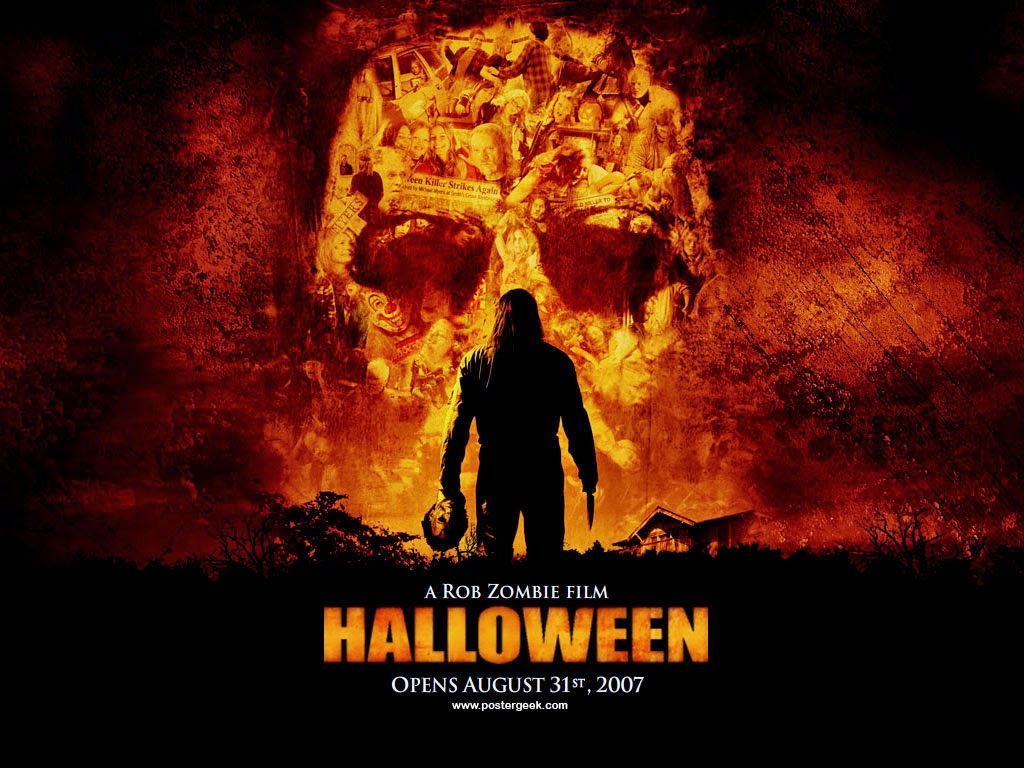 The other character is our sequence is the Male antagonist. We wanted to make our antagonist Male because the Male sex is the more dominant of the two which in turn makes our antagonist more threatening to the audience. We also made our antagonist wear a mask to try and hide his true identity from the audience. Our main aim though was to make our antagonist work alone. We found that by having him work alone it made him more distant from the audience. This made the audience more wary of him because they didn't know where he could pop up next. We used this technique to try and break the bond between the antagonist and the audience. If there is no bond then the audience will start to fear the antagonist because they don't know anything about him. We got this idea from watching "Halloween". In "Halloween" the antagonist is always masked ad you never see his true identity. This helps build tension and it also adds to the fear factor of the film.
Tuesday, 17 February 2015
Evaluation post- Question 1
Question 1
Genetic conventions for a thriller film can be anything from low key lighting to diegetic sound. In our thriller sequence we tried to use as many thriller conventions as possible. To do this we watched a number of famous thriller films to try and gain ideas for us to then use within our own sequence. One of the films we watched was "The woman in black". From watching this film we gained the idea to use low key lighting within our thriller. In the film "The woman in black" there are a number of dark scenes where visibility is minimal. This effect created tension on the audience because the audience didn't know what could be lurking beneath the darkness. We took this idea and then used it in a scene just before our antagonist is first spotted. Like in the woman in black this created tension on our audience because they knew that the antagonist was hidden beneath the shadows.
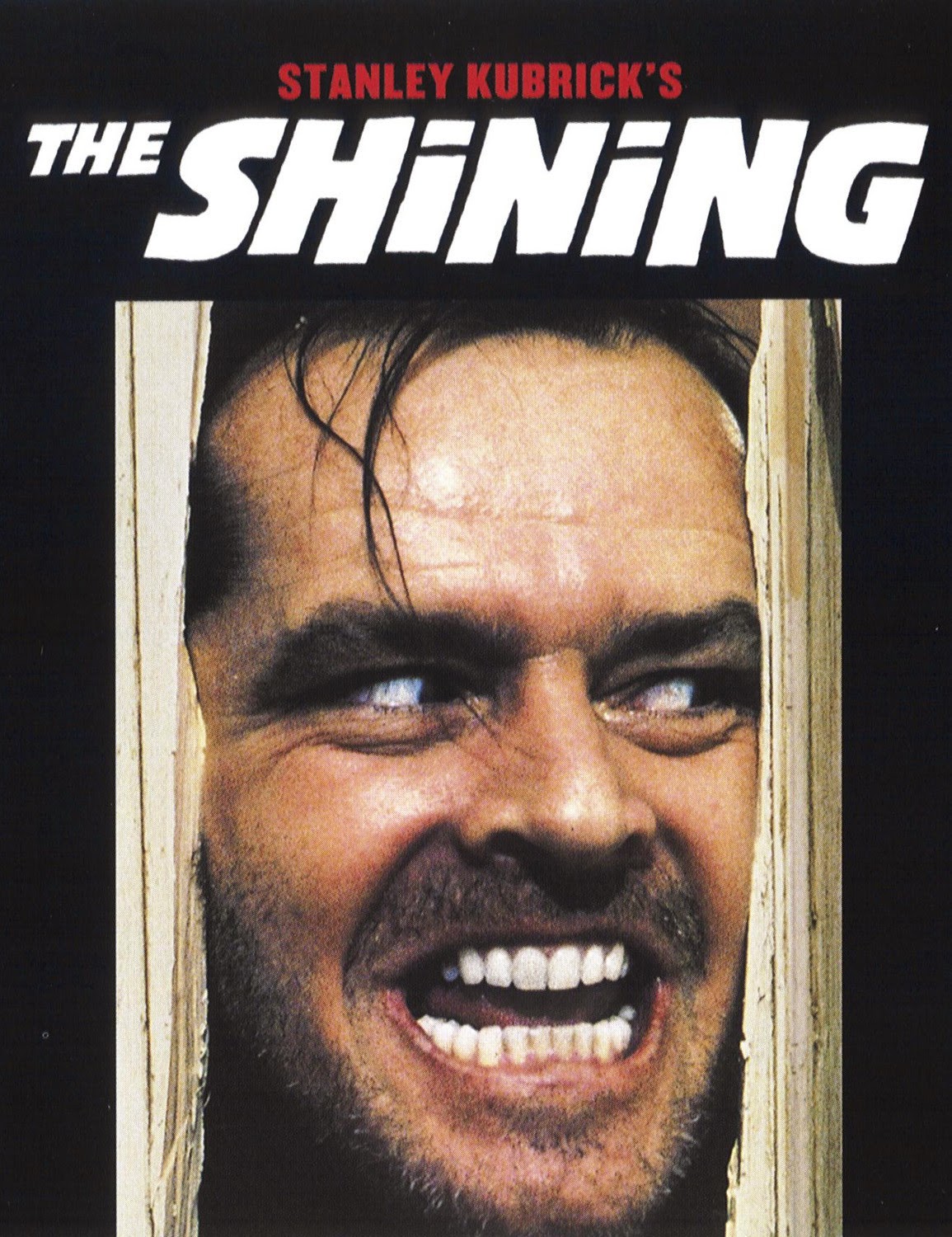 Another thriller film we looked at was "The shining". From looking at this film we noticed that diegetic sound was often used in jumpy scenes. We noticed that this technique also added tension on the audience so we chose to add this into our thriller sequence. Before adding it to our main thriller sequence though, we first used it in our rough cut to see if it would work as well for us as it did for "The shining". After watching it back a few times we came to the conclusion that it fitted into our thriller film very well. Looking back at it now I would say that it was one of the best ideas we have used because of the way it draws the audience into the film and keeps them there for the build up to a jumpy scene.
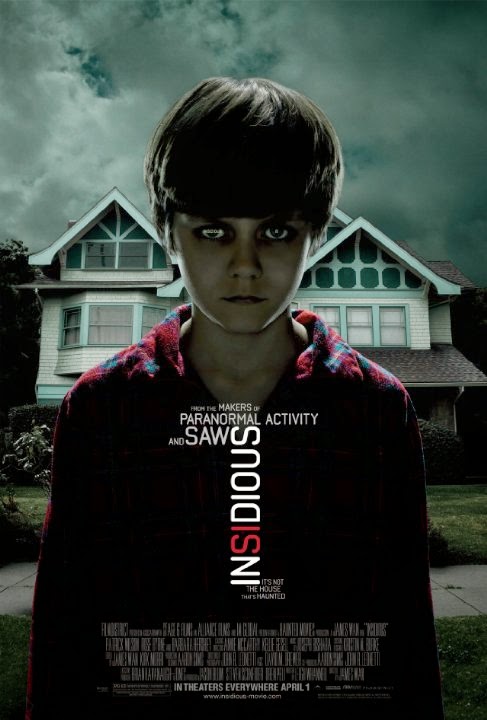 The third film we watched was "Insidious". "Insidious" is the most recent film made out of the three and was named the scariest film of the year. Most of this is down to the tension music that can be heard throughout the film. This tension music sent shivers down the spine of the audience watching the film, making it sometimes unbearable to listen to. From noticing this technique, we pounced upon the opportunity to use it within our thriller sequence. We found a perfect sound to constantly play while the thriller sequence was taking place. We made it so that in some scenes you could hear it but in other scenes it was barely noticeable but still playing. We wanted to use this technique to try and replicate the effect it had on the audience in "Insidious".
Overall I feel like our opening thriller sequence is clearly linked to the thriller genre. This is down to us using the conventional thriller techniques that you would expect to find within a thriller film. We have used conventional thriller techniques like low key lighting, Diegetic sound, tension music, montage shots, shadows and different camera angles to try and make sure that our thriller sequence stays true to the thriller genre.
Monday, 16 February 2015
Evaluation post- Introduction
Evaluation introduction
Our brief was to make a 2 minute opening thriller sequence which included micro elements such as mise-en-scene, editing, sound and cinematography. These micro elements helped our thriller film follow the different codes and conventions that came with the thriller genre. The class was split up into groups of threes and each group had to come up with a thriller production name. In my group was Hannah Hobbs, Ella Sawtell and myself. Together we decided on "Dark Sky's" as being our thriller production name.
We then allocated each group member with production roles. Hannah Hobbs took on the role as being Producer, Director, Director of photography and Mes- en- Scene co-ordinator. Ella Sawtell took on the role as being Producer, Actor, Screenplay writer, Mes-en-scene co-ordinator and Editor. Finally I took on the role as being Producer, Actor, Music producer and Mes-en-scene co-ordinator. I took on the Music producer role because I felt like I had a good understanding of what music was needed to make our thriller sequence successful. I have watched quite a few thriller films so I understand that to make it conventional to the thriller genre, the music has to edgy and eerie. I chose to be an actor as well because I felt like our thriller sequence needed a male antagonist to really emphasis the stereotypical link of the antagonist always being Male. This overall helped our thriller sequence because it made it more conventional to the thriller genre. Finally everyone in my group was allocated the role of being Mes-en-scene co-ordinator because we each had our own ideas that would help improve our thriller sequence. This was a really good idea because everyone got a say and no ones ideas were left out.
Overall I think that we all worked really well as a group. Everyone listened too each other and we all got along which in turn really helped when filming our thriller sequence. Also everyone had there own strengths for example Hannah was really good at the editing side of things and Ella was really focused on what camera angles would work best. I however tried to play the antagonist as best as possible to make our thriller sequence as conventional as possible. I did this by using conventional thriller techniques like wearing dark clothing and carrying a stereotypical thriller weapon (a knife). I think that each group member brought the best out of each other and we wouldn't have been able to do it if one group member was missing. Everyone was always on time and we all were knew that we had to be committed if we wanted our thriller sequence to be the best it could possibly be.
As a group I think that we have made a successful thriller sequence. We have done this by making our thriller sequence conventional to the thriller genre. For example we wanted to use low key lighting and shadow effects because we felt that this would portray a conventional thriller sequence. It also helped add tension to specific scenes which in turn also helped. We also used specific camera angles like panning because they are commonly known to be used in famous thriller films to replicate a chase scene. The use of diegetic sounds like footsteps were one of our favourite effects because they helped build tension into the build up of a jumpy scene. We also wanted to make our protagonist Female and our antagonist Male because we knew that this was very stereotypical technique used by thriller companies to help build a stronger bond with the audience.
Wednesday, 4 February 2015
Final group thriller
WEST HATCH HIGH SCHOOL- 16807
OLIVER LONGSHAW - 9351
I ALSO WORKED WITH:
HANNAH HOBBS: 9338
ELLA SAWTELL: 9363
Sunday, 4 January 2015
Rough cut- Miss georgiou
Rough cut
Audience feedback is key to a production because it helps tell the makers of the film what was good about their film and also what wasn't so good. This helps the production team then go on and change things if they can or take on board the comments for any future films that they will make. Without audience feedback, production company's wouldn't know how they can improve their films so they would just carry on making the same type of films.
How we received feedback
We received our audience feedback in the form of YouTube, questionnaires and fellow classmates watching our thriller sequence. The public could see our thriller sequence on YouTube and then comment on it or like it underneath. We could then see the comments and discuss, as a group, what we were going to change about our rough cut for our final sequence. This was very helpful because it helped us decide what we needed to change about our rough cut to make it the best it could possibly be. We also used questionnaires to see what the general public and family thought we should include in our thriller sequence. This broadened our minds to what we could fit into our film and how we could use it. Finally, other classmates watched our rough cut and then told us what was good about it and what we could improve. This helped us because we took into consideration their comments and we were also given the opportunity to watch their rough cuts so we could see how our sequence fared against theirs.
Comments
I thought that the use of lighting was very good because it created real tension on the audience. Also, I liked the fact that the antagonist was masked because it made the audience wonder who was really under there. Overall I really enjoyed the film because it had the elements of mystery and suspense to it. One thing I would improve is the lighting in some scenes. Certain scenes within the sequence are a bit too dark to see so this could perhaps be something to change.- Sue Longshaw


The editing is really good, the transitions and filters used are effective when trying to build suspense. An improvement could be to carry out the footsteps for longer to build anticipation.-Molly Emmerson
To the left and above you can see some other comments about our rough cut but some of these comments are from YouTube.
Changes we will make
From looking at the comments I have seen some opportunities to try and improve our sequence. The first thing we should change is the length of the credits which was pulled up by Bettie Cooper. Our credits are a bit too short so I think that this an important issue to change for our final sequence. Another problem is the lighting in some scenes which was spotted by Sue Longshaw. Some scenes are a bit too dark to see which can affect the audiences viewing. This is another thing we should change to make our final sequence better. The final improvement is making the footsteps sound in the background last longer to try and build more anticipation. This idea was given to us by Molly Emmerson. This idea will help involve the audience more and it will keep them on the edge of their seats.
How we received feedback
We received our audience feedback in the form of YouTube, questionnaires and fellow classmates watching our thriller sequence. The public could see our thriller sequence on YouTube and then comment on it or like it underneath. We could then see the comments and discuss, as a group, what we were going to change about our rough cut for our final sequence. This was very helpful because it helped us decide what we needed to change about our rough cut to make it the best it could possibly be. We also used questionnaires to see what the general public and family thought we should include in our thriller sequence. This broadened our minds to what we could fit into our film and how we could use it. Finally, other classmates watched our rough cut and then told us what was good about it and what we could improve. This helped us because we took into consideration their comments and we were also given the opportunity to watch their rough cuts so we could see how our sequence fared against theirs.
Comments
I thought that the use of lighting was very good because it created real tension on the audience. Also, I liked the fact that the antagonist was masked because it made the audience wonder who was really under there. Overall I really enjoyed the film because it had the elements of mystery and suspense to it. One thing I would improve is the lighting in some scenes. Certain scenes within the sequence are a bit too dark to see so this could perhaps be something to change.- Sue Longshaw


The editing is really good, the transitions and filters used are effective when trying to build suspense. An improvement could be to carry out the footsteps for longer to build anticipation.-Molly Emmerson
To the left and above you can see some other comments about our rough cut but some of these comments are from YouTube.
Changes we will make
From looking at the comments I have seen some opportunities to try and improve our sequence. The first thing we should change is the length of the credits which was pulled up by Bettie Cooper. Our credits are a bit too short so I think that this an important issue to change for our final sequence. Another problem is the lighting in some scenes which was spotted by Sue Longshaw. Some scenes are a bit too dark to see which can affect the audiences viewing. This is another thing we should change to make our final sequence better. The final improvement is making the footsteps sound in the background last longer to try and build more anticipation. This idea was given to us by Molly Emmerson. This idea will help involve the audience more and it will keep them on the edge of their seats.
Subscribe to:
Posts (Atom)